


-
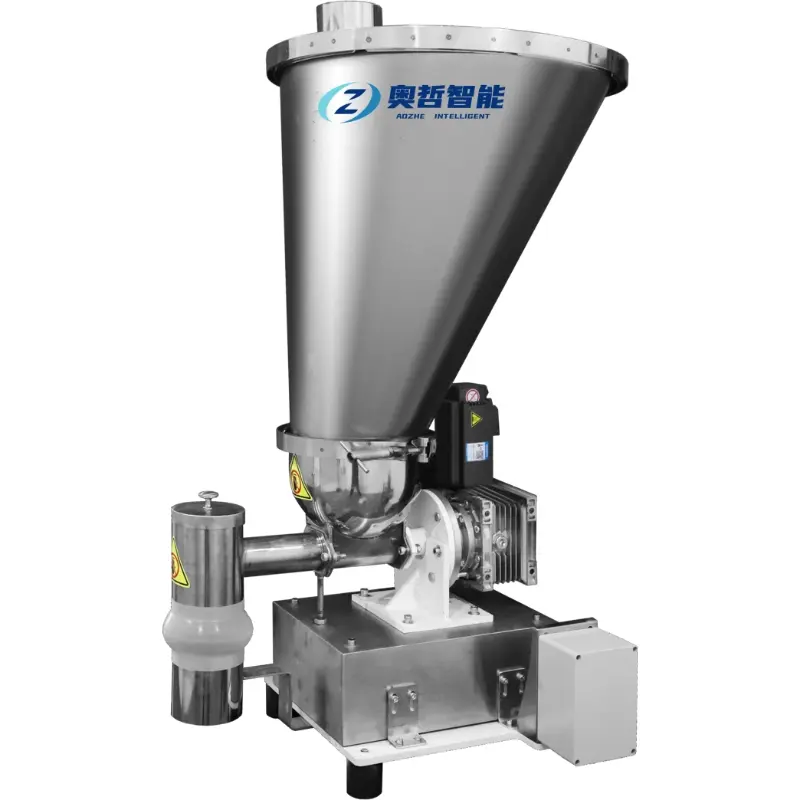
Importance of Accuracy and Consistency in Loss-In-Weight Feeder Selection
1、Accuracy Ensures Precise Material Control2、Consistency Supports Stable Production3、Impact on Product Quality4、Operational Efficiency and Cost Control5、System Stability and Integration6、Long-Term Reliability and Maintenance7、Mak...
13/01/2026
-
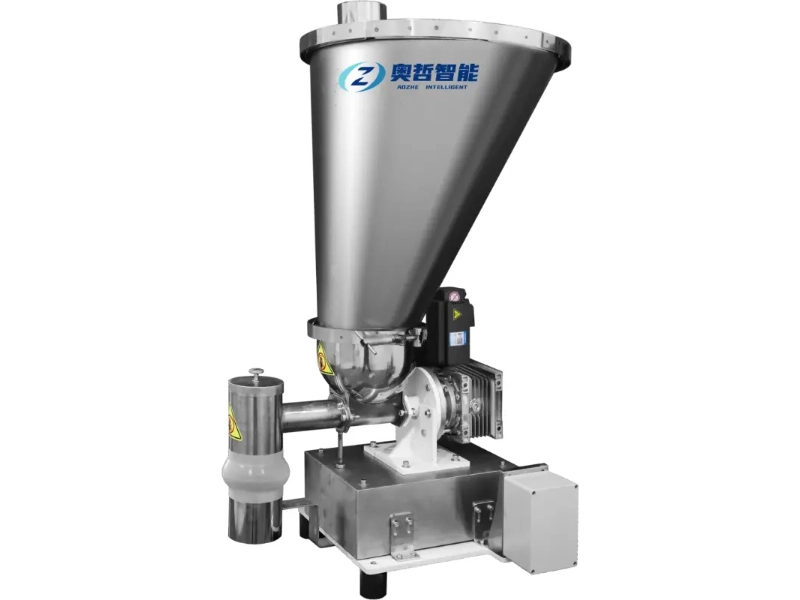
How to Select the Right Screw Type for Your Loss-In-Weight Feeder
1、Understand Your Material Characteristics2、Match Screw Design to Required Feed Rate3、Consider Screw Pitch and Flight Geometry4、Evaluate Material Abrasiveness and Wear Resistance5、Account for Cleaning and Maintenance Requirements6...
06/01/2026
-
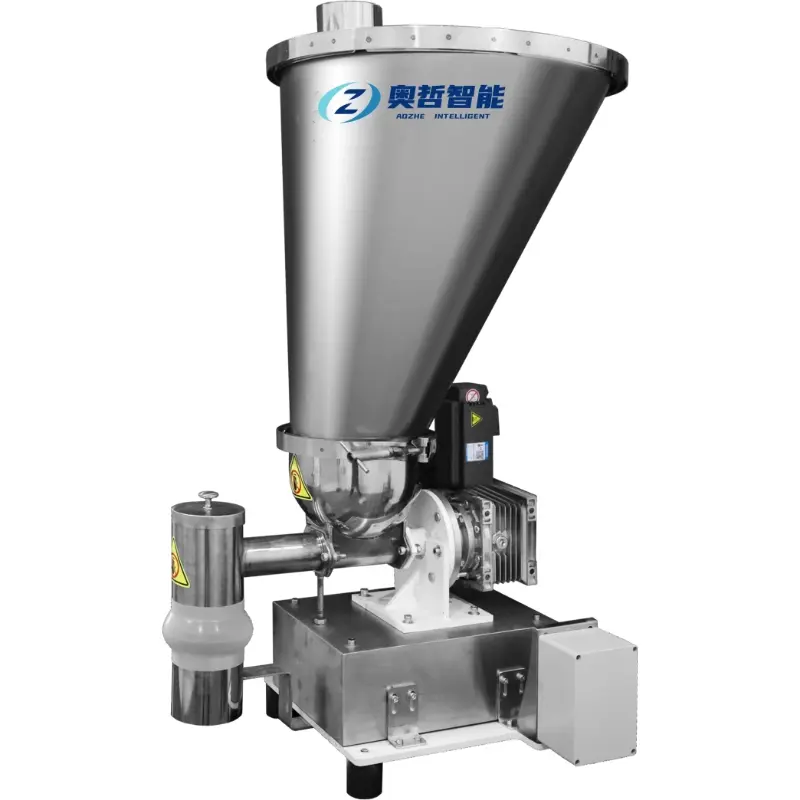
Using Loss-in-Weight Feeders in Food Processing: What to Know
Why Accuracy Matters in Food ProcessingHygienic Design and Food Safety RequirementsHandling Different Food IngredientsIntegration into Food Production LinesMaintenance and Operational Considerations Accuracy and consistency are criti...
20/12/2025
-
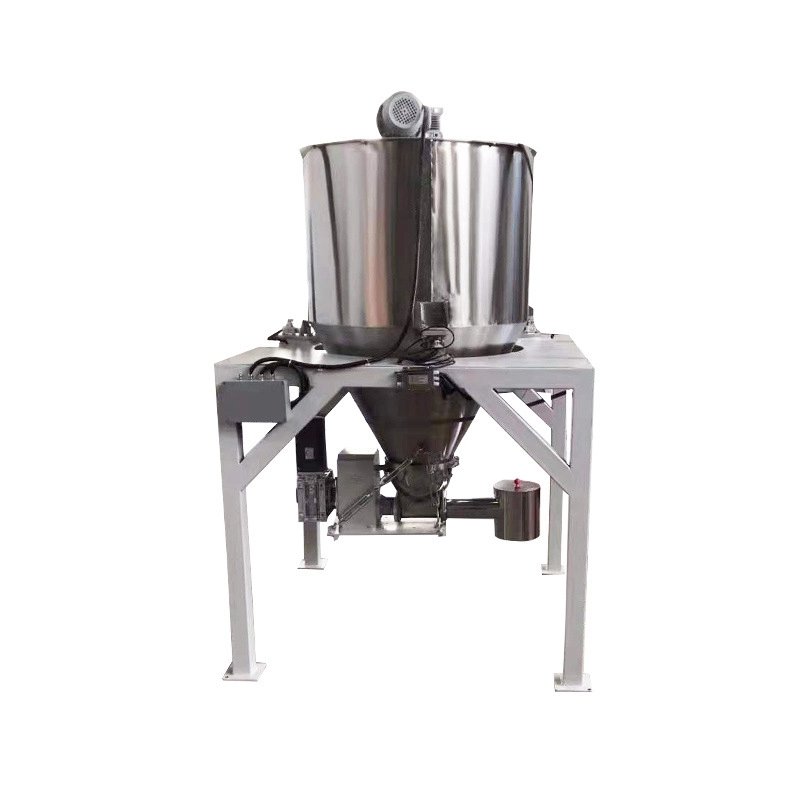
Common Maintenance Mistakes That Affect Loss-in-Weight Feeders
Loss-in-weight feeders are widely used in industries such as food processing, pharmaceuticals, and chemicals because of their precise material dosing. However, even a high-quality feeder can perform poorly if maintenance is not done cor...
18/12/2025
-
Why Does a Loss-in-Weight Feeder Drift Over Time?
1. What Is Feeding Drift in a Loss-in-Weight Feeder?2. Load Cell and Weighing System Influences3. Material Behavior Changes Over Time4. Mechanical Wear and Feeding Components5. Environmental and Installation Factors6. How to Minimize Lo...
10/12/2025
-
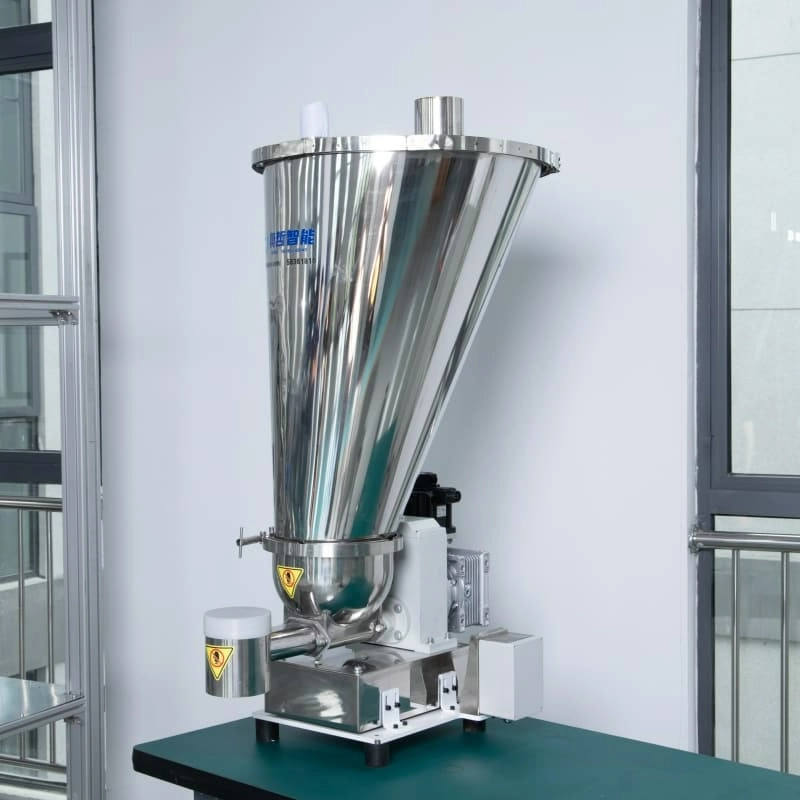
How Accurate Is a Loss-in-Weight Feeder Compared to Other Feeding Systems?
Understanding Loss-in-Weight Feeding AccuracyComparison with Volumetric Feeding SystemsBatch Feeding and Weighing SystemsIs Higher Accuracy Always Necessary? Accuracy is one of the most important factors when selecting a material fee...
05/12/2025

-
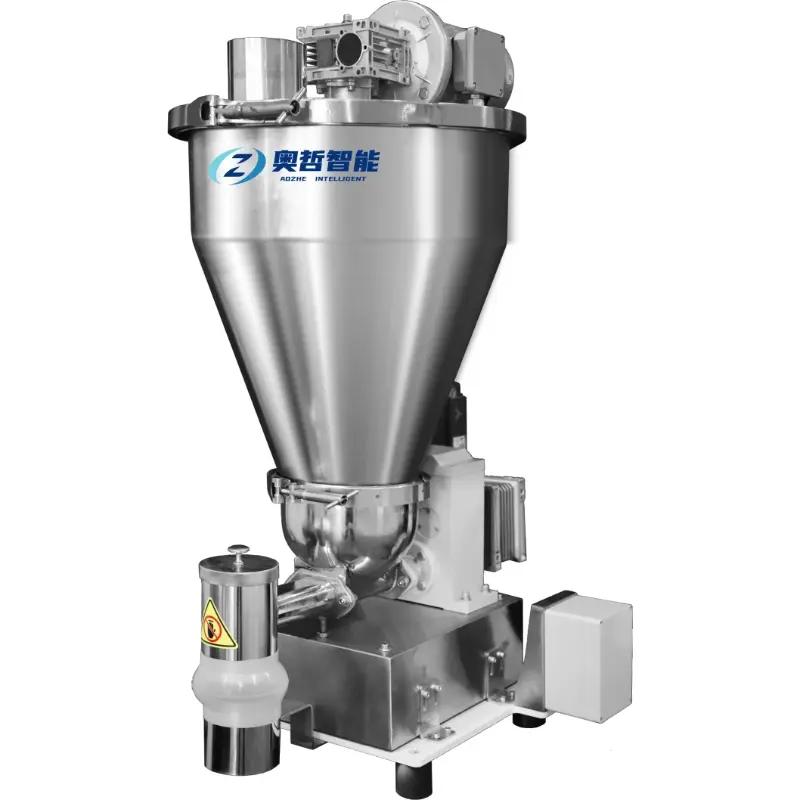
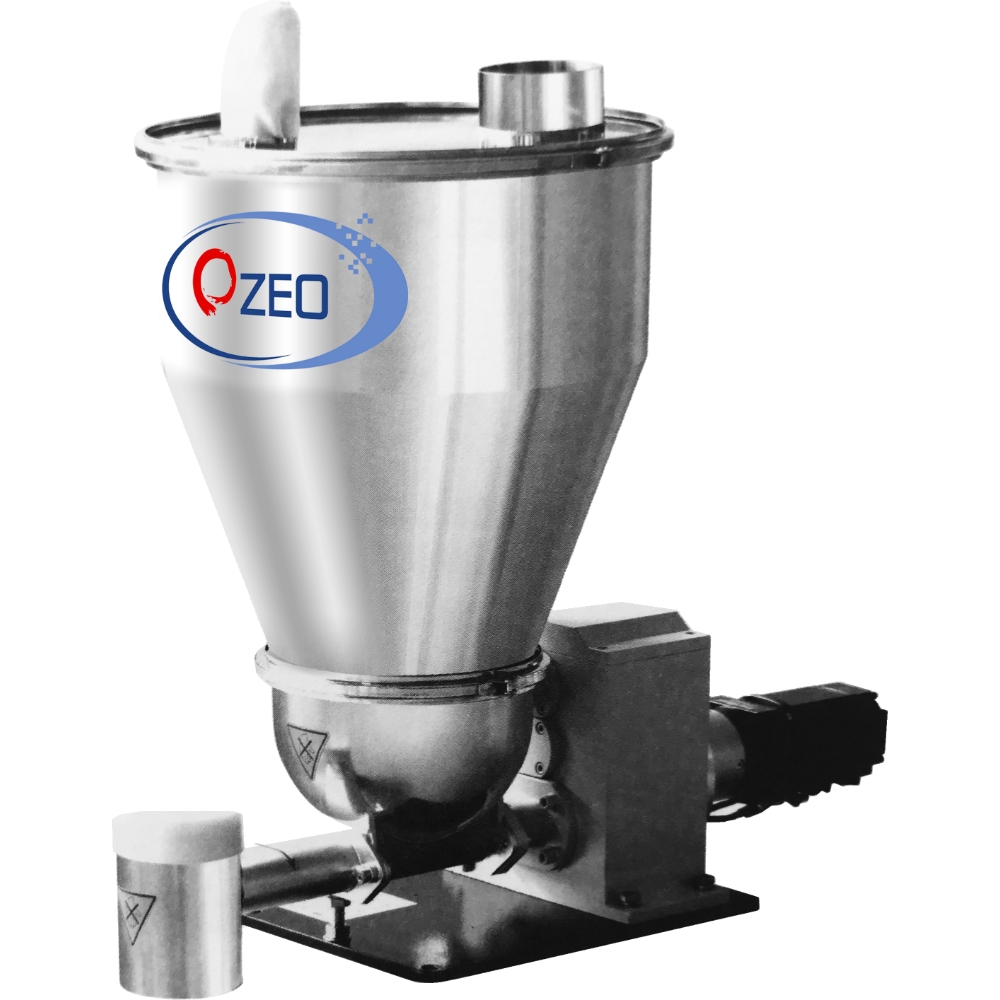
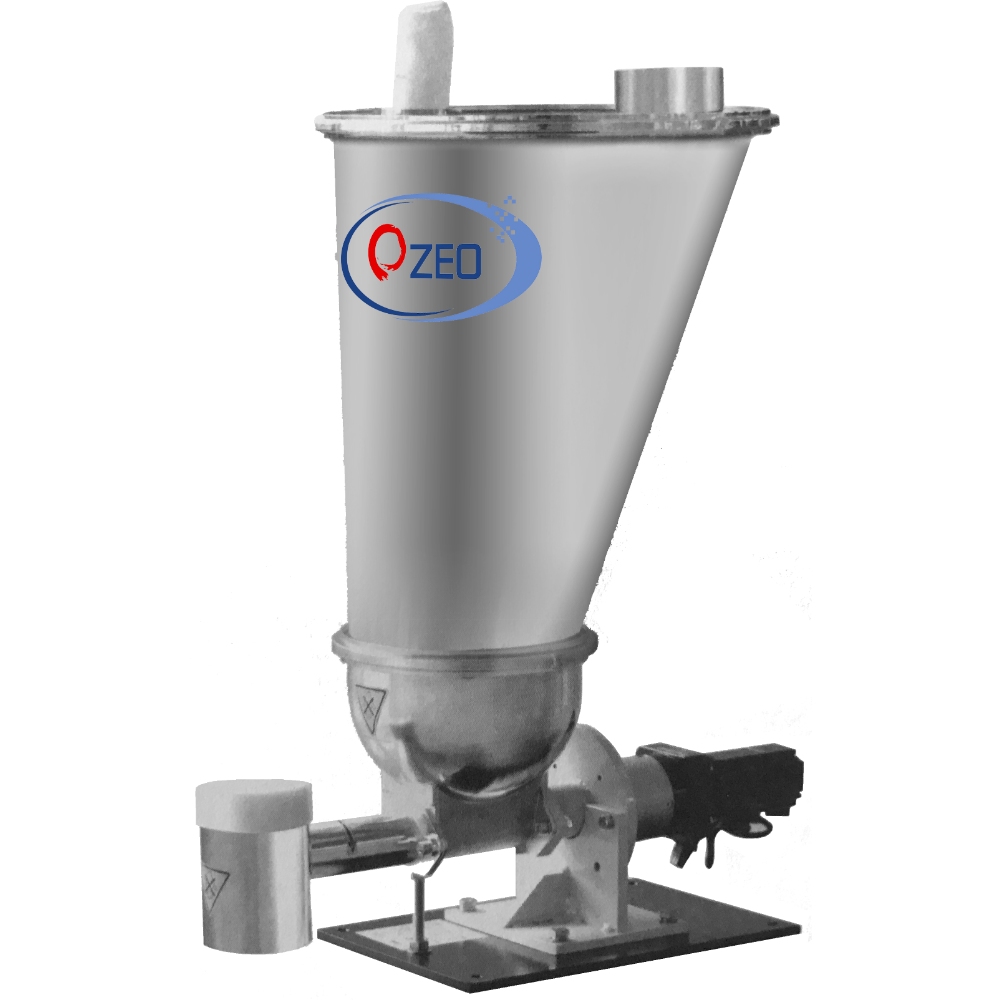
- High-performance Single Screw Loss-In-Weight Feeder Granular Material Feeder for Extrusion
- High-accuracy Double Screw Loss-In-Weight Feeder Additive Feeder for Extrusion
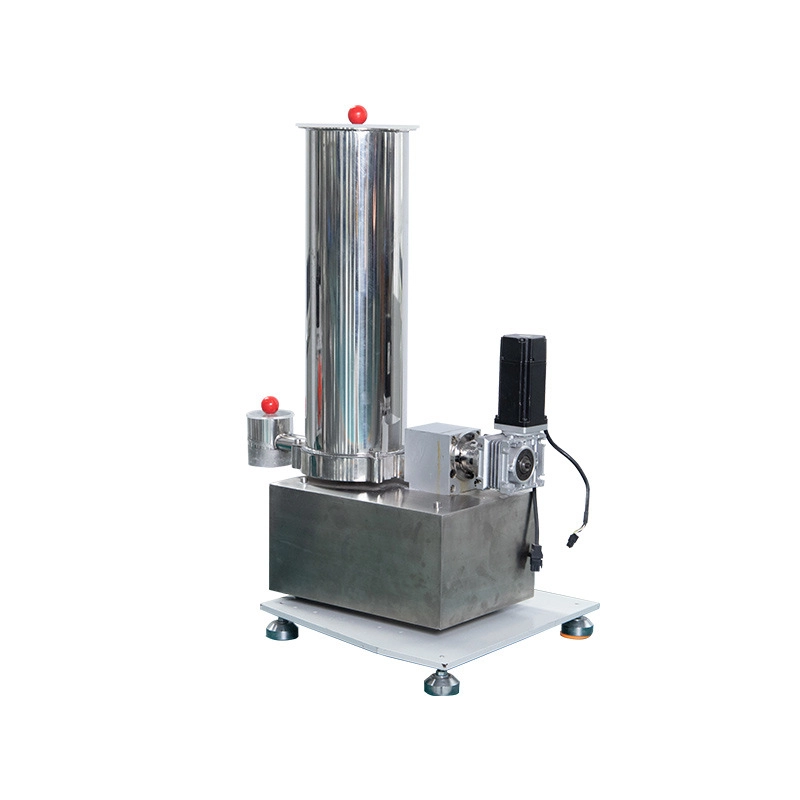
- Accurate Micro-flow Loss-In-Weight Feeder Material Feeder for Lab
- Efficient Double Screw Volumetric Feeder for Industrial Material Handling Solutions
- Reliable Single Screw Volumetric Feeder for Material Feeding System
- Automatic Large-flow Loss-In-Weight Feeder Precise Dosing for Chemical Processing
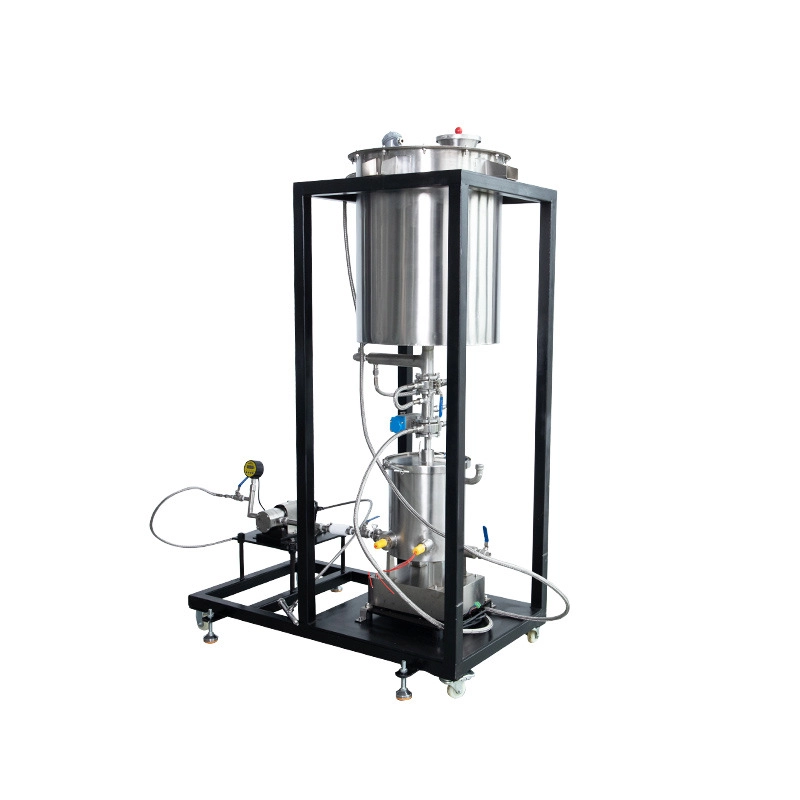
- Innovative Liquid Loss-In-Weight Feeder for Chemical Industry
-
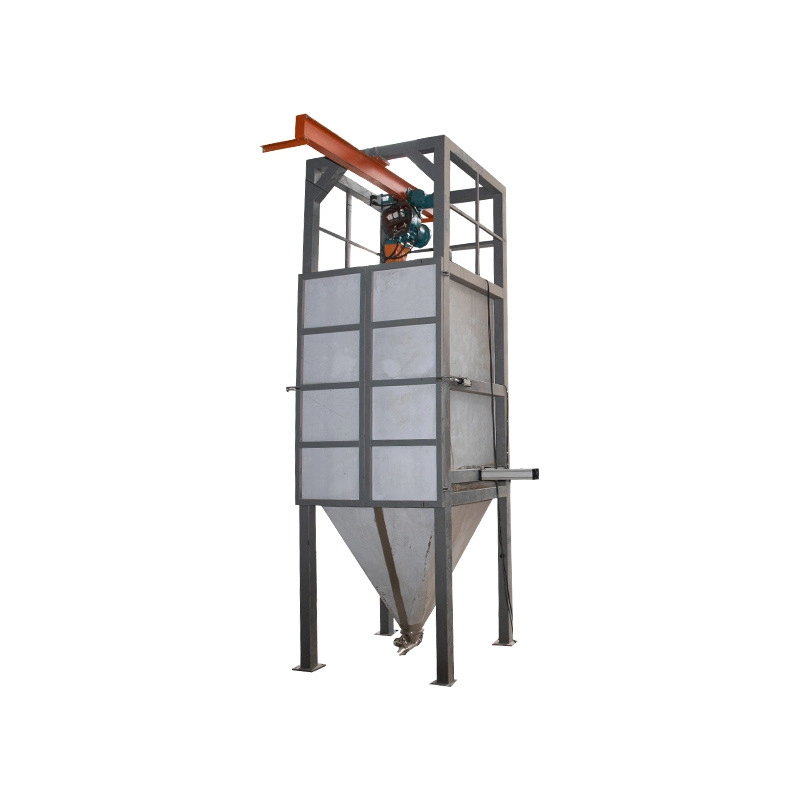
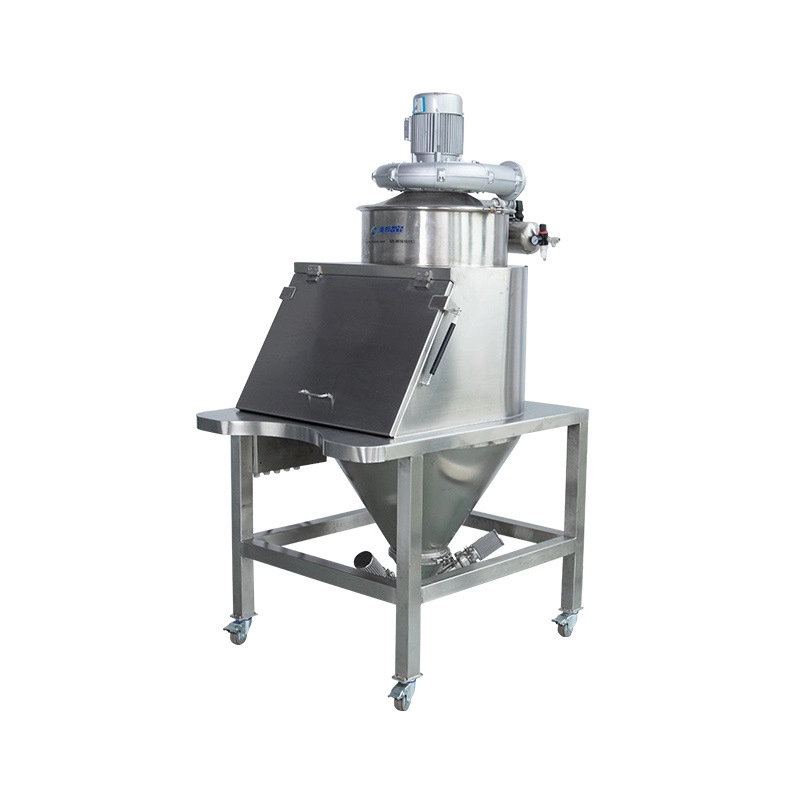
- Heavy-duty Ton Bag Unloader Bulk Material Unloading in Factories
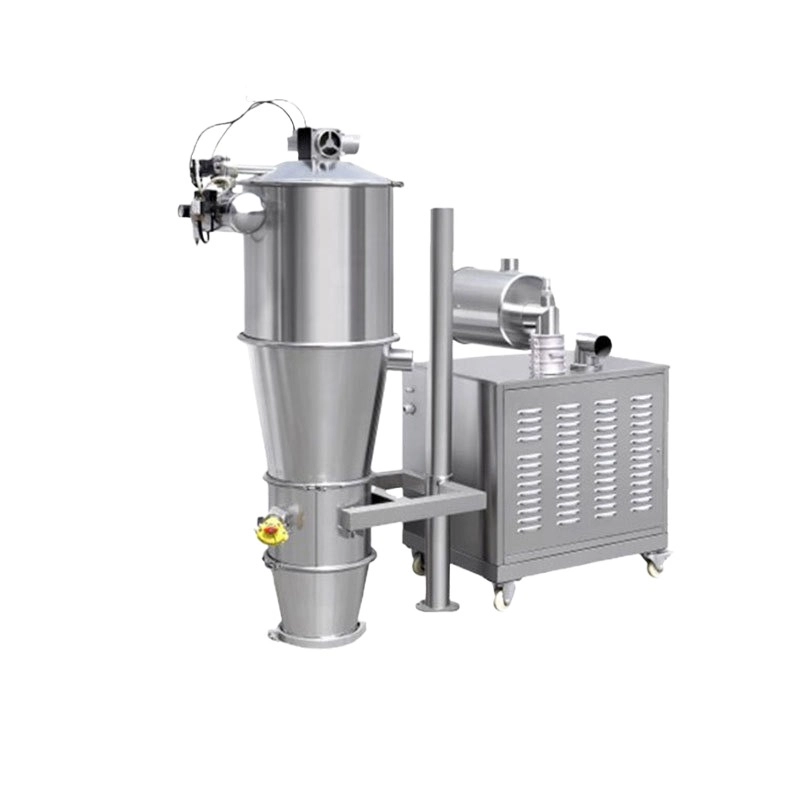
- Efficient Vacuum Conveyor for Powder Product Conveying
- Durable Small Bag Unloader for Powder Handling for Dust Free Environment
-
- 展示产品---------Efficient Double Screw Volumetric Feeder for Industrial Material Handling Solutions
- 展示产品---------Efficient Double Screw Volumetric Feeder for Industrial Material Handling Solutions
- 展示产品---------Efficient Double Screw Volumetric Feeder for Industrial Material Handling Solutions
- 展示产品---------Efficient Double Screw Volumetric Feeder for Industrial Material Handling Solutions
- 展示产品---------Efficient Double Screw Volumetric Feeder for Industrial Material Handling Solutions
-