

Volumetric Feeder VS Gravimetric Feeder
Release time: 2025-05-12
Volumetric feeders and gravimetric feeders are both types of equipment used in material handling systems, especially for feeding bulk materials like powders, pellets, or granules into processes in a controlled manner. However, they operate based on different principles and are suited to different applications. Here’s a comparison:
Volumetric Feeder
Principle of Operation:
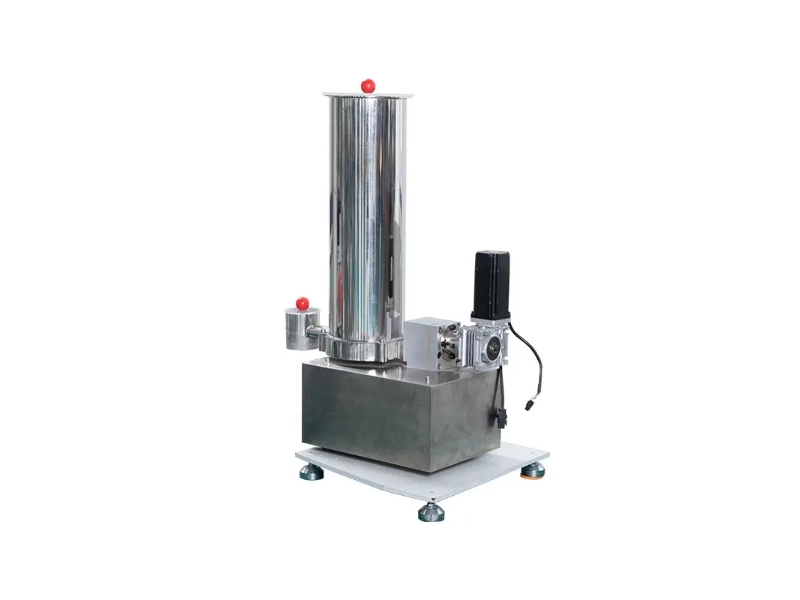
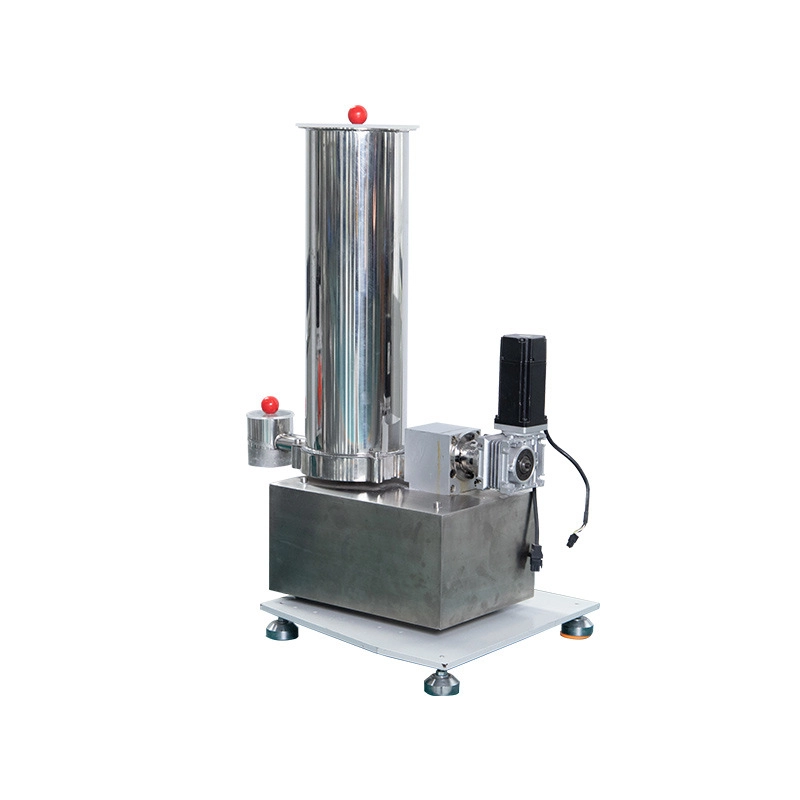
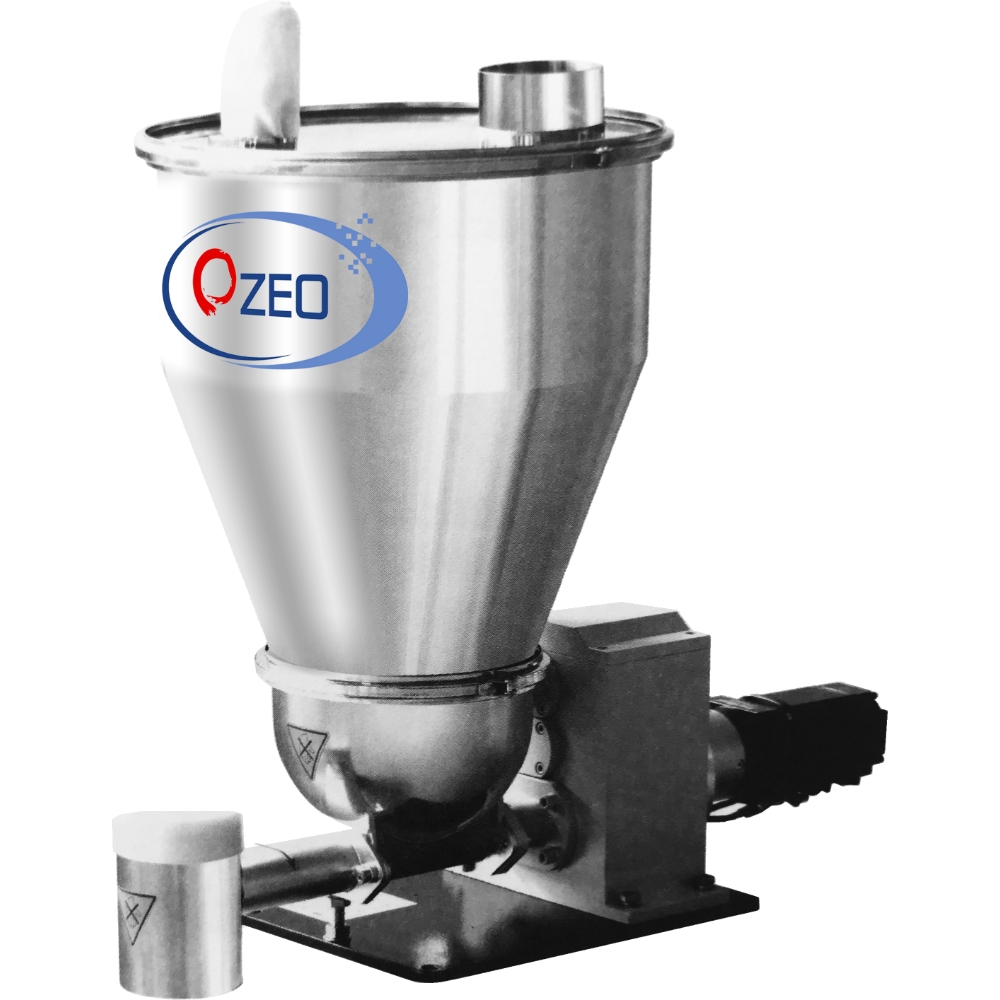
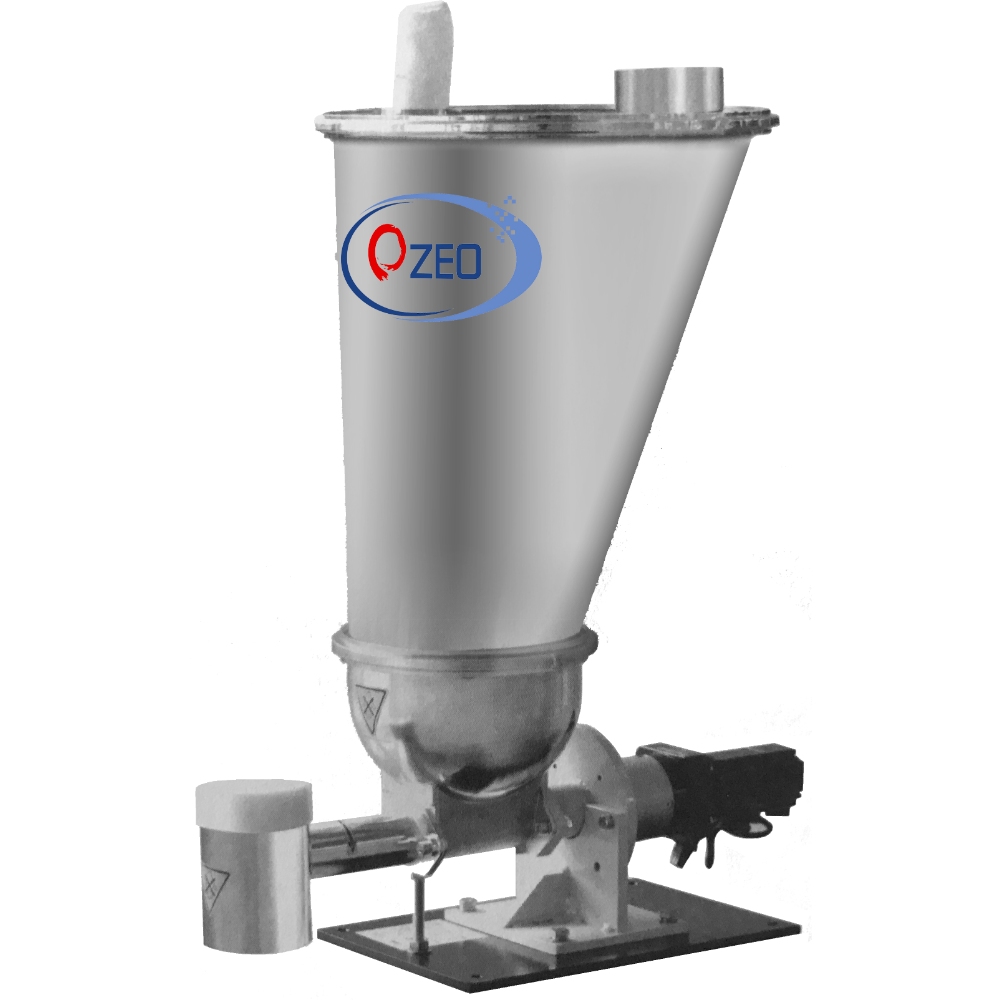
A volumetric feeder controls the flow of material based on a set volume over time. It measures and dispenses a specific volume of material per unit of time, often using a rotating screw, belt, or auger system. The amount of material fed is determined by the speed of the feeding device and the cross-sectional area of the feeder.
Key Features:
Controlled by volume: The feeder operates by providing a consistent volume of material.
Cost-effective: Generally less expensive than gravimetric feeders.
Simple and straightforward: Volumetric feeders are typically easier to maintain and operate.
No measurement of weight: Since it doesn’t measure weight, its accuracy depends on the consistency of the material’s density.
Advantages:
Lower cost: Due to simpler design and lack of a weight-based measurement system.
Suitable for consistent materials: Ideal when the material’s density is relatively consistent.
Easy to install and maintain: Fewer components that need calibration.
Disadvantages:
Less accurate for variable densities: If the density of the material fluctuates, the volume measurement can become inaccurate, leading to variability in the amount of material fed.
Requires material consistency: Works best with materials that have stable flow characteristics and densities.
Gravimetric Feeder
Principle of Operation:
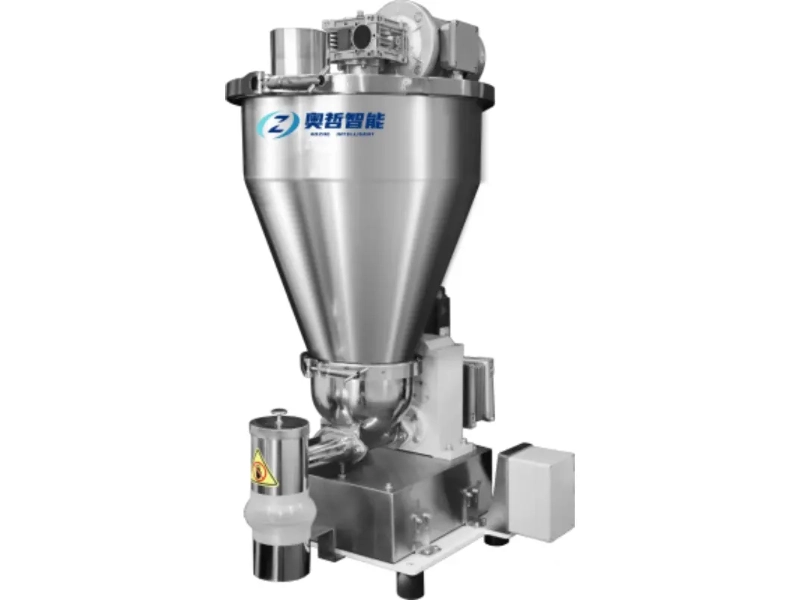
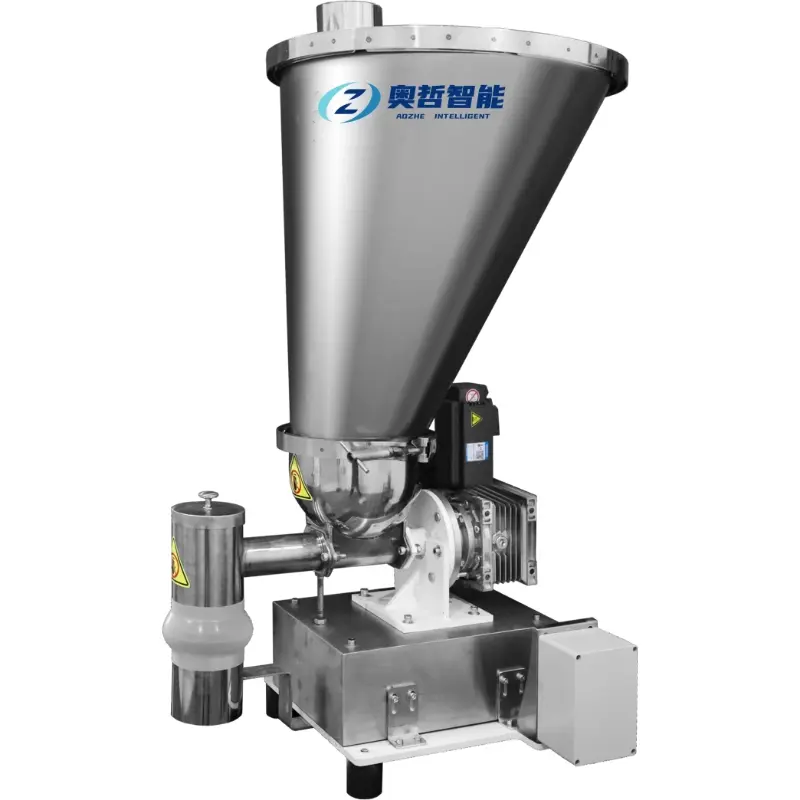
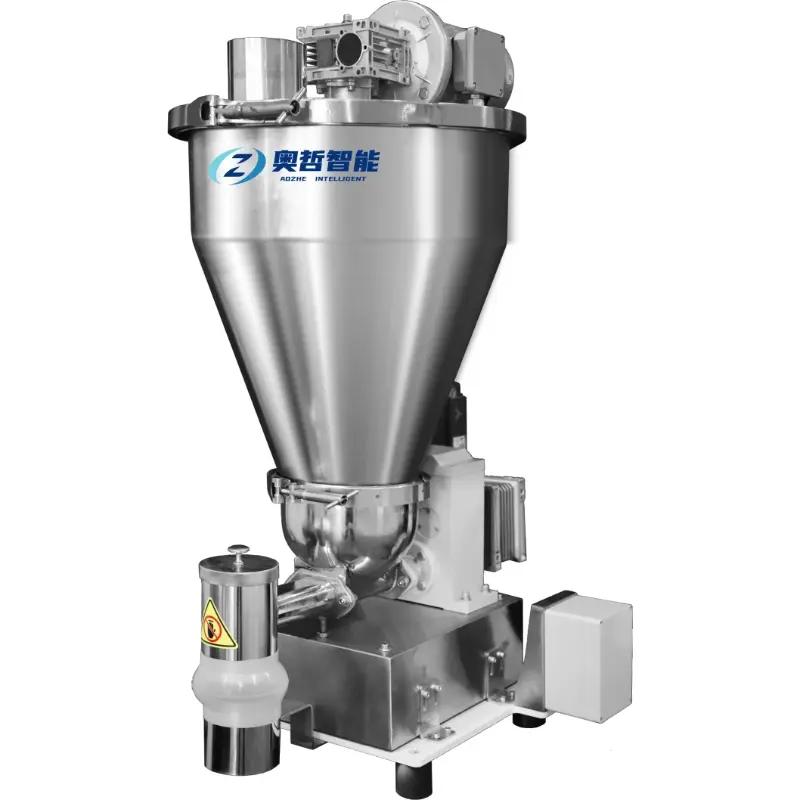
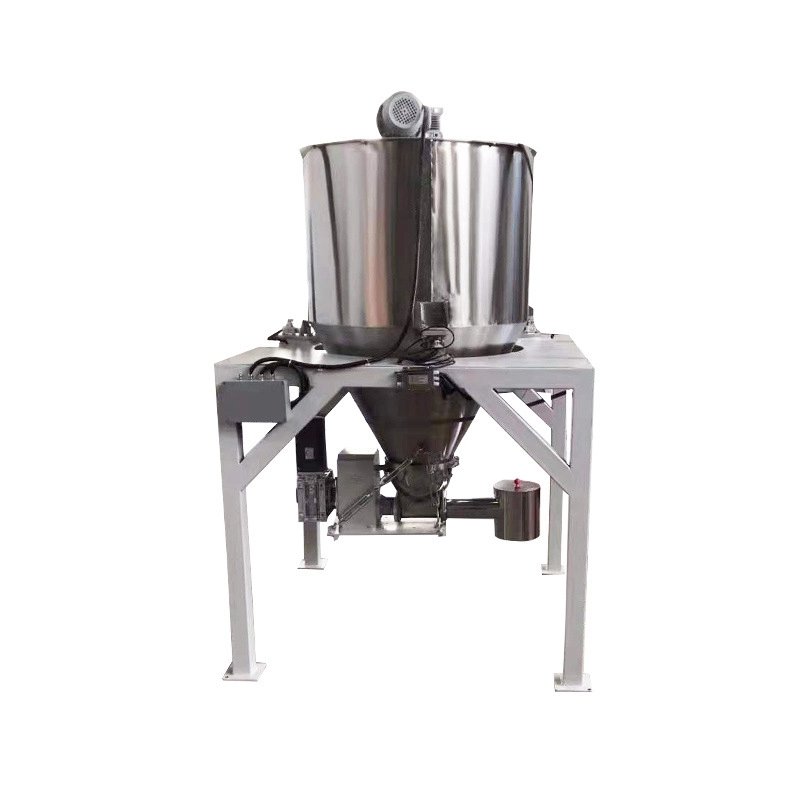
A gravimetric feeder controls the flow of material by weight. It continuously measures the weight of the material being fed, often using a scale or load cell system to monitor the flow rate. The feed rate is adjusted based on the measured weight to ensure that the correct amount of material is delivered.
Key Features:
Controlled by weight: The material flow is adjusted based on the real-time measurement of weight.
Higher accuracy: Because it weighs the material, it provides a more accurate and consistent feed rate, especially for variable-density materials.
Requires load cells or scales: Typically includes more complex systems such as load cells to measure weight.
Advantages:
Accuracy: Provides high precision and compensates for variations in material density or flowability.
Suitable for varying materials: Can handle a wide range of materials with different densities and flow characteristics.
Consistency: Delivers a more consistent material flow rate, even when material properties change.
Disadvantages:
Higher cost: Due to the complexity of the weighing system, high-precision gravimetric feeders are generally more expensive.
More maintenance: The load cells and weighing systems require regular calibration and maintenance.
Complexity: More complicated to install and set up compared to volumetric feeders.
Summary Comparison Table
| Feature | Volumetric Feeder | Gravimetric Feeder |
| Principle | Measures and feeds by volume | Measures and feeds by weight |
| Accuracy | Less accurate (depends on material density) | Highly accurate (compensates for density variations) |
| Cost | Lower cost | Higher cost |
| Complexity | Simple, easier to maintain | More complex, requires calibration |
| Suitability | Best for consistent materials with stable density | Best for variable materials with fluctuating density |
| Applications | Suitable for many general feeding tasks | Ideal for precise, weight-controlled processes |
Conclusion:
Volumetric feeders are a good choice for processes where material consistency and density are stable. They are cost-effective and simpler to use, making them ideal for straightforward applications.
Gravimetric feeders are more suitable for applications requiring precise control of material feeding, especially when material properties can vary. They provide higher accuracy, making them essential in industries where exact amounts of materials are needed, such as in the chemical, food, or pharmaceutical industries.